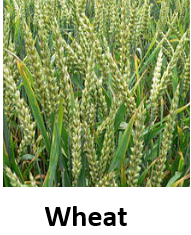
Overview:
- Scientific Name: Triticum aestivum
- Type: Cereal grain
- Origin: Middle East
Climate and Soil Requirements:
- Climate: Wheat grows best in temperate climates with cool winters and mild summers.
- Temperature: Optimal temperature range is between 50°F to 70°F (10°C to 21°C) during the growing season.
- Soil Type: Well-drained loamy soil with a pH level between 6.0 to 7.5.
Varieties:
- Common Varieties: Common wheat varieties include Hard Red Winter, Soft Red Winter, Hard Red Spring, and Durum.
Season:
- Planting Season: Plant wheat in the fall or early spring, depending on the variety and location.
- Harvest Season: Harvest typically occurs in late spring or early summer.
Cultivation Process:
- Soil Preparation:
- Plow the field to a depth of 6 to 8 inches to break up soil compaction.
- Incorporate organic matter such as compost or manure to improve soil fertility.
- Seed Selection and Planting:
- Choose certified wheat seeds of a suitable variety.
- Plant seeds at a depth of 1 to 1.5 inches and spaced about 6 inches apart in rows.
- Ensure adequate moisture for germination.
- Fertilization:
- Conduct a soil test to determine nutrient deficiencies.
- Apply nitrogen, phosphorus, and potassium fertilizer according to soil test recommendations.
- Watering:
- Provide consistent moisture throughout the growing season, especially during grain development.
- Irrigate as needed, aiming for about 1 to 1.5 inches of water per week.
- Weed Control:
- Keep the field weed-free through mechanical cultivation or herbicide application.
- Weed early and regularly to prevent competition with wheat plants.
- Disease and Pest Management:
- Monitor for common wheat pests such as aphids, armyworms, and rusts.
- Use integrated pest management techniques and consider resistant varieties.
- Harvesting:
- Harvest when wheat reaches physiological maturity, indicated by golden-yellow color and firm, hard kernels.
- Use a combine harvester to efficiently harvest the crop.
- Allow harvested wheat to dry in the field or use drying equipment to reduce moisture content to safe storage levels (around 12-14%).
Additional Tips:
- Rotate wheat crops with other crops to minimize disease and nutrient depletion.
- Monitor weather conditions and adjust cultivation practices accordingly.
- Consult local agricultural extension services for specific recommendations and support.