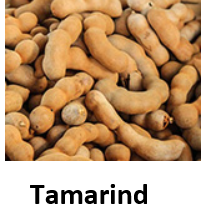
Overview:
- Scientific Name: Tamarindus indica
- Type: Fruit tree
- Origin: Africa
Climate and Soil Requirements:
- Climate: Tamarind grows best in tropical and subtropical climates.
- Temperature: Optimal temperature range is between 25°C to 35°C.
- Soil Type: Well-drained sandy loam soil with a pH level between 6.0 to 7.0.
Varieties:
- Common Varieties: Common tamarind varieties include Siamese tamarind and Manila tamarind.
Season:
- Planting Season: Plant tamarind seeds in the spring or rainy season.
- Harvest Season: Tamarind trees start bearing fruits after about 6-7 years of planting.
Cultivation Process:
- Seed Selection and Planting:
- Use fresh seeds obtained from ripe tamarind pods.
- Plant seeds directly in the field or in nursery beds.
- Germination usually occurs within 10-15 days.
- Site Selection:
- Choose a sunny location with good air circulation.
- Ensure proper drainage to prevent waterlogging.
- Spacing:
- Space tamarind trees about 10 to 15 meters apart to allow for their spreading canopy.
- Soil Preparation:
- Prepare the planting site by digging a large planting hole and incorporating organic matter.
- Watering:
- Water young tamarind trees regularly, especially during dry periods.
- Once established, tamarind trees are drought-tolerant and require minimal irrigation.
- Pruning:
- Prune tamarind trees to remove dead or diseased branches and to shape the canopy.
- Harvesting:
- Harvest tamarind pods when they are fully ripe and turn brown or dark brown in color.
- Collect pods by hand or by shaking the tree.
Additional Tips:
- Control pests and diseases through proper sanitation and timely application of appropriate measures.
- Consult local agricultural experts for specific recommendations and support.