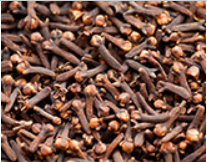
Overview:
- Scientific Name: Syzygium aromaticum
- Type: Spice
- Origin: Indonesia
Climate and Soil Requirements:
- Climate: Clove grows best in tropical climates with high humidity and moderate rainfall.
- Temperature: Optimal temperature range is between 20°C to 30°C.
- Soil Type: Well-drained loamy soil with a pH level between 5.5 to 6.5.
Varieties:
- Common Varieties: Common clove varieties include Zanzibar, Madagascar, and Sri Lankan.
Season:
- Planting Season: Plant cloves during the rainy season.
- Harvest Season: Cloves are typically harvested after 5-7 years of planting.
Cultivation Process:
- Site Selection:
- Choose a well-drained site with partial shade for planting cloves.
- Avoid waterlogged areas and areas prone to strong winds.
- Propagation:
- Propagate cloves from seeds or cuttings.
- Plant seeds or cuttings in prepared nursery beds or polybags.
- Transplanting:
- Transplant seedlings to the main field when they reach a height of 30-45 cm.
- Plant seedlings at a spacing of 6-8 meters apart.
- Watering:
- Provide regular watering, especially during the dry season.
- Avoid overwatering to prevent root rot.
- Pruning:
- Prune clove trees to promote a balanced canopy and improve air circulation.
- Remove diseased or damaged branches regularly.
- Fertilization:
- Apply organic compost or well-decomposed manure annually to improve soil fertility.
- Top-dress with balanced fertilizers containing nitrogen, phosphorus, and potassium.
- Pest and Disease Management:
- Monitor for pests like aphids, scale insects, and diseases such as clove wilt and leaf spot.
- Use appropriate pesticides and fungicides as needed.
- Harvesting:
- Harvest cloves when flower buds turn pink or crimson and just before they open.
- Use handpicking or manual harvesting methods to collect cloves.
- Dry harvested cloves in the shade until they reach a moisture content of about 10-12%.
Additional Tips:
- Practice intercropping with shade-tolerant crops to maximize land use and income.
- Regularly monitor soil moisture and pH levels to maintain optimal growing conditions.
- Seek guidance from local agricultural authorities or experts for specific recommendations.